
Alzheimer’s Care and Rehabilitation in Kadıköy
- 24/7 nursing care
- Founded by a physician
- Göztepe, Kadıköy

Alzheimer’s Care: Neurodegenerative Progression
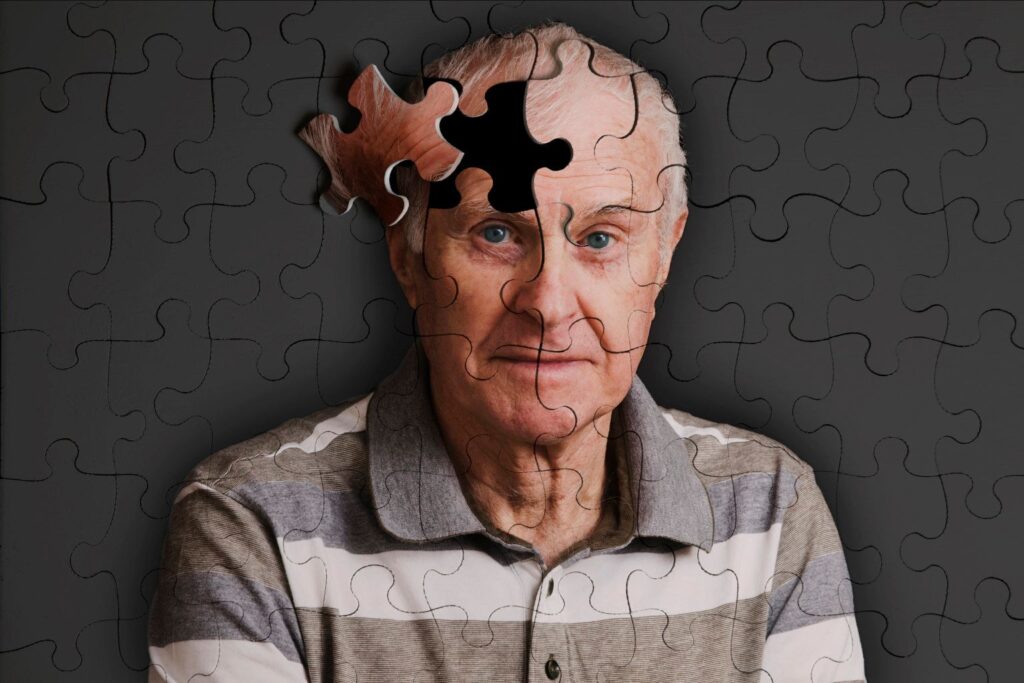
Alzheimer’s disease is a progressive, neurodegenerative condition characterised by the build-up of extracellular amyloid-beta plaques in brain tissue and neurofibrillary tangles formed by intracellular hyperphosphorylated tau proteins. The disease not only causes loss of neuronal synapses; through free radical damage, neuroinflammation and dysfunction of neurotransmitter systems such as acetylcholine, it causes serious decline in memory, orientation, executive function and behaviour.
Person-Centred Care Models and Our International Clinical Standards
At Kadıköy Göztepe Buket Nursing Home and Elderly Care Centre, we approach Alzheimer’s care not as ordinary accommodation but as an evidence-based care and rehabilitation process grounded in clinical data and international protocols.
We explain the early warning signs, stages and causes of behavioural changes in detail in our guide to Alzheimer’s symptoms and stages (in Turkish).
Our Clinical Methodology: Cognitive and Behavioural Protocols
Behavioural and Psychological Symptoms of Dementia (BPSD) seen in Alzheimer’s patients — such as agitation, apathy, sleep–wake cycle disturbances (sundowning) and wandering — should be managed with evidence-based non-pharmacological methods as well as medication.With our 24/7 nursing and doctor services, our residents are under continuous observation.
Person-Centred Care Model (Kitwood Methodology): Based on Tom Kitwood’s psychosocial approach, this model focuses on the person’s preserved personality and self-esteem rather than their neurological losses. By building a life history (biographical analysis), triggering neuropsychiatric symptoms and points of decompensation are identified in advance.
Validation Therapy (Naomi Feil Protocol): When people with advanced Alzheimer’s lose orientation, forcing them back to reality (reality orientation) increases anxiety and agitation. Our care staff apply empathic validation techniques, accepting the person’s emotional state and perception of the world.
Cognitive Stimulation and Sensory Therapy (Snoezelen & Reminiscence): In the early and middle stages, reminiscence therapies that trigger long-term memory are used. In advanced stages, visual, auditory and tactile stimulation based on Snoezelen multisensory room principles is used to lower cortisol levels and support behavioural regulation.
Our Alignment with International Elderly Care Standards (ISO & GSA Standards)
Our Alzheimer’s care protocols are structured on the criteria of ADI (Alzheimer’s Disease International), the GSA (Gerontological Society of America) and ISO 9001/15224 Healthcare Quality Management Systems.
For Alzheimer’s care, we recommend obtaining a second opinion — including an MRI assessment where available — from Prof. Dr. Emin Özcan, one of Istanbul’s leading neurologists. Alzheimer’s care requires a professional approach. Please contact us for detailed information about Alzheimer’s care.
International Care Criterion | Buket Nursing Home Practice Protocol | Clinical and Behavioural Benefit |
| Neuromodulatory Environment Design (Dementia-Friendly Architecture) | Continuous circular corridors, high-contrast colour coding and even lighting that avoids sharp shadows. | Minimises the risk of tripping or falling while wandering and prevents visual illusions and agitation. |
| 24/7 Clinical Nursing & Vital Sign Monitoring | The Braden Scale (pressure sores), Tinetti Test (fall risk) and MNA (nutritional assessment) are applied routinely. | Early detection of comorbidities and physical decline helps prevent acute hospital admissions. |
| Neuro-Nutrition Protocol | Personalised menus based on the MIND / Mediterranean diet, rich in antioxidants, omega-3 and B vitamins. | Helps protect existing neuronal structure by minimising neuroinflammation and vascular dementia risk factors. |
| Medication & Dose Safety (Barcoding System) | Prescribed acetylcholinesterase inhibitors and memantine are tracked with double nurse verification. | Prevents drug interactions and ensures the neurological treatment protocol is maintained at maximum bioavailability. |
Why Buket Nursing Home? Where Trust Meets Expertise
We understand very well the caregiver burden and feelings of guilt experienced by families of people with Alzheimer’s. At our home, residents do not just receive professional care: transitions between stages are monitored clinically, secondary complications such as falls or dehydration are prevented, and every hour of the day is met with a compassionate approach. Private and comfortable room options help us offer our residents a special experience throughout this process.
To entrust your loved ones to a health and living environment run to international standards and guided by scientific evidence, you can visit our home and book a preliminary assessment with our medical team.
Our Services
Would you like more information?
Let’s assess the care needs together. You can reach us 24/7.
0532 604 81 03Frequently Asked Questions
Frequently Asked Questions about Alzheimer’s Care
How are agitation, outbursts of anger or night-time restlessness (sundowning) managed in people with Alzheimer’s?
For mood fluctuations caused by neurodegenerative processes, non-pharmacological, evidence-based clinical approaches are prioritised. Anxiety is reduced with validation therapy and Snoezelen multisensory stimulation. As part of Alzheimer’s care, environmental triggers (loud noise, bright or shadowy lighting) are removed, and our team, on duty 24/7, calmly redirects attention and supports sensory regulation.
What safety measures do you have against the risk of wandering away from home or the care home?
Our home is designed according to the “dementia-friendly” architectural criteria recommended by Alzheimer’s Disease International (ADI). Closed security systems that do not create a sense of confinement, continuous circular walking corridors and door and passage designs without sharp lines minimise the risk of residents getting lost or tripping and falling. Our residents can move freely in a completely safe area without being restrained.
How are nutrition and fluid intake monitored? What happens in advanced-stage swallowing difficulty (dysphagia)?
To prevent refusal to eat or dehydration due to forgetfulness, which are common in Alzheimer’s, each resident’s daily food and fluid intake is recorded digitally. Our neuro-nutrition protocol offers menus in line with MIND diet principles. If dysphagia (difficulty swallowing) develops in advanced stages, thickened purée/liquid feeding or enteral feeding (PEG/NG) protocols are introduced under the supervision of the dietitian and responsible physician.
What happens if medicines are not taken on time or are refused?
Regular bioavailability of acetylcholinesterase inhibitors and memantine used in Alzheimer’s treatment is vital. Our barcoded medication safety system and double nurse verification protocol prevent missed doses. If the person refuses a medicine, they are never forced; with the physician’s knowledge, the form of the medicine (liquid, drops or a form that can be mixed with food) is adjusted so it can be given cooperatively.
Do family visits affect the person’s mental state? How often should we visit?
Visits are planned individually according to the person’s level of orientation and stage of the disease. In early and middle stages, family visits are very beneficial for morale and anxiety. However, if the person becomes very agitated or feels abandoned after visits, our psychologist and healthcare team, experienced in Alzheimer’s care, speak with the family and restructure the length, timing or format of visits (for example, joining an activity together).
How are self-care needs (bathing, toileting, personal hygiene) met with compassion and respect for privacy?
As neurological decline progresses, body awareness and sensitivity about privacy can change. All personal care and hygiene (bathing, nail/hair care, changing) is carried out by experienced care staff of the same sex, without harming the person’s self-esteem. Throughout, staff speak to the person in a gentle tone to prevent confusion and resistance. For detailed information about Alzheimer’s care, please contact us.
Contact Us for a Doctor’s Opinion and Assessment
If you would like to see a safe and peaceful care environment for your loved ones in person, you are welcome to visit our home in Göztepe, Kadıköy at any time.
Address: Göztepe, Cavitpaşa Sk. No:7-1, 34730 Kadıköy / Istanbul
Phone: +90 532 604 81 03
Email: info@kadikoyhuzurevi.com.tr
Visiting: Every day except Friday, 14:30 – 17:30